Travel the World
—
Last Minute Cruise Deals
--
Exotic Vacations
__
Travel the World — Last Minute Cruise Deals -- Exotic Vacations __
Cruise Ship Superstitions: The Fascinating Traditions Sailors Still Follow Today
Cruising today is all about luxury, entertainment, and unforgettable destinations, but beneath the pools, Broadway-style shows, and endless buffets lies a world filled with centuries-old traditions and superstitions.
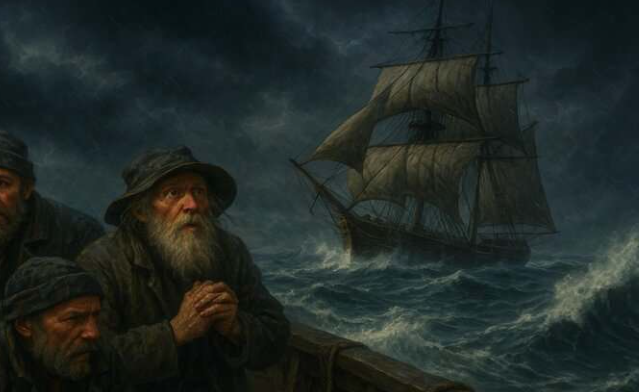
Many of these beliefs originated with sailors who depended entirely on the sea for their survival. Long before weather satellites and GPS, strange events at sea often had no explanation, leading mariners to develop rituals they believed would bring good fortune—or prevent disaster.
While today's cruise ships are marvels of modern engineering, you'll still notice many of these traditions quietly living on.
Let's dive into some of the most interesting cruise ship superstitions from around the world.
Why Don't Cruise Ships Have a Deck 13?
If you've ever looked at a cruise ship deck plan, you may notice something missing.
Deck 13.
Many cruise lines simply skip from Deck 12 to Deck 14.
This tradition comes largely from Western cultures, where the number 13 has long been associated with bad luck. Hotels, office buildings, and airlines often avoid using the number as well.
Not every cruise line follows this practice. Some European and Asian cruise lines include Deck 13 without hesitation, while others quietly rename it.
It's less about actual superstition and more about making nervous guests feel comfortable.
Never Rename a Ship...Without a Ceremony
Among sailors, changing a ship's name has traditionally been considered one of the worst possible omens.
Ancient mariners believed the sea god Neptune (or Poseidon in Greek mythology) kept a record of every vessel sailing his waters. Simply repainting a new name onto the hull could anger the gods and invite terrible luck.
Today, when yachts and even some commercial vessels are renamed, owners sometimes perform a lighthearted "renaming ceremony" complete with champagne, speeches, and a symbolic request for Neptune's blessing.
Cruise ships are rarely renamed, but when they are, the event is often celebrated with a formal ceremony.
Godmothers Bring Good Luck
Nearly every new cruise ship has a ceremonial godmother.
Unlike a ship's captain, the godmother serves as a symbolic protector of the vessel throughout its life.
The tradition dates back centuries, when people believed a respected woman could bless a ship with good fortune and safe voyages.
Today's godmothers have included actresses, royalty, athletes, scientists, musicians, and humanitarian leaders.
The ceremonial champagne bottle broken against the bow remains one of cruising's most recognizable traditions.
Bananas: Lucky...or Unlucky?
One of the strangest maritime superstitions involves bananas.
Many fishermen still believe bringing bananas aboard invites bad luck.
There are dozens of theories explaining this belief:
Bananas spoiled quickly on old sailing ships.
Dangerous spiders sometimes hid inside banana shipments.
Ships carrying bananas often sailed unusually fast, making fishing difficult.
Overripe fruit attracted insects and pests.
Whatever the true origin, many sport fishing captains still ban bananas from their boats.
Fortunately, your cruise ship breakfast buffet has nothing to fear.
Whistling on Deck? Maybe Don't.
In many seafaring cultures, whistling aboard a ship was believed to "whistle up the wind."
A gentle breeze could quickly become a dangerous storm.
For that reason, sailors often discouraged unnecessary whistling while at sea.
Today you'll certainly hear plenty of whistling during sail-away parties, but among traditional mariners, the old belief still earns an occasional smile.
Friday Sailings Were Once Avoided
British sailors once believed beginning a voyage on Friday invited misfortune.
One legend claims the British Navy tried to prove the superstition false by building a ship named HMS Friday, appointing a Captain Friday, launching it on a Friday, and sending it on its maiden voyage that same day.
According to the legend, the ship was never seen again.
It's a great story—but historians agree it never actually happened.
Modern cruise ships depart every day of the week without giving Friday a second thought.
Albatrosses: Guardians of the Sea
Across Europe, especially among British sailors, albatrosses were considered sacred birds.
Many believed they carried the souls of sailors lost at sea.
Harming one was thought to bring terrible bad luck—a belief made famous by Samuel Taylor Coleridge's poem The Rime of the Ancient Mariner.
Even today, spotting an albatross during an ocean crossing is considered a memorable and fortunate sight.
Asian Superstitions at Sea
Cruise lines serving Asian markets sometimes adapt to local cultural beliefs.
One of the most well-known examples involves the number 4.
In Mandarin, Cantonese, Japanese, and Korean, the pronunciation of the number four closely resembles the word for "death."
Because of this:
Some ships avoid labeling Deck 4.
Cabin numbers containing multiple fours may be skipped.
Elevators may jump directly from 3 to 5.
Meanwhile, the number 8 is widely viewed as extremely lucky because its pronunciation resembles the word for wealth or prosperity.
You may notice special emphasis on this number aboard ships designed specifically for Asian travelers.
Christening a Ship Still Matters
Long before cruise vacations existed, launching a ship was considered a dangerous moment.
Many cultures believed the vessel needed a blessing before its first voyage.
Today, every major cruise line still performs a christening ceremony.
The ship's godmother officially names the vessel before a champagne bottle is broken against the hull—a tradition believed to bring safe voyages and good fortune.
If the bottle doesn't break on the first attempt?
Many still consider that an unfortunate omen.
Shoes on the Table? Absolutely Not.
This superstition originated among British and Scandinavian sailors.
Placing shoes on a table was believed to predict death or bad fortune because the shoes of deceased sailors were often laid beside their coffins.
While you'll rarely hear this mentioned aboard a cruise ship today, many lifelong mariners still avoid the practice.
Modern Cruise Superstitions
Cruisers have developed a few fun traditions of their own.
Many seasoned passengers swear by these unofficial rituals:
Always arrive at the port the day before your cruise.
Never joke about missing the ship.
Touch the ship before boarding for good luck.
Watch every sail-away from the open deck.
Keep your first cruise card as a lucky souvenir.
Celebrate crossing the Equator or Arctic Circle if your itinerary includes it.
None are officially recognized—but many repeat cruisers wouldn't dream of skipping them.
Final Thoughts
Cruise ships may feature robotic bartenders, giant waterslides, and cutting-edge navigation systems, but the sea has a way of preserving its traditions.
Whether it's skipping Deck 13, honoring a ship's godmother, avoiding unlucky numbers, or celebrating a christening with champagne, these customs connect modern cruising to centuries of maritime history.
The next time you're exploring your ship, take a closer look. You may notice that some of these old traditions are still quietly sailing alongside you.
After all, when you're surrounded by thousands of miles of open ocean, a little extra good luck never hurts.
Have You Noticed Any?
Have you ever sailed on a cruise ship without a Deck 13? Have you spotted another nautical tradition or superstition while cruising?
Share your favorite cruise superstition in the comments!
For more cruise tips, travel inspiration, destination guides, and fascinating cruise history, visit JackieFleetwoodTravels.com and follow Cheap and Last Minute Cruise Deals on Facebook. We'd love to have you aboard!